Knee arthroscopy is a minimally invasive procedure that allows an orthopedic surgeon to examine the inside of your knee through small incisions. A small camera provides a detailed view of the joint, while narrow instruments may be used to repair or remove damaged tissue.
Arthroscopy is not appropriate for every type of knee pain. A careful evaluation can help identify what is causing your symptoms, whether nonsurgical care should be tried first, and whether an arthroscopic procedure may help.
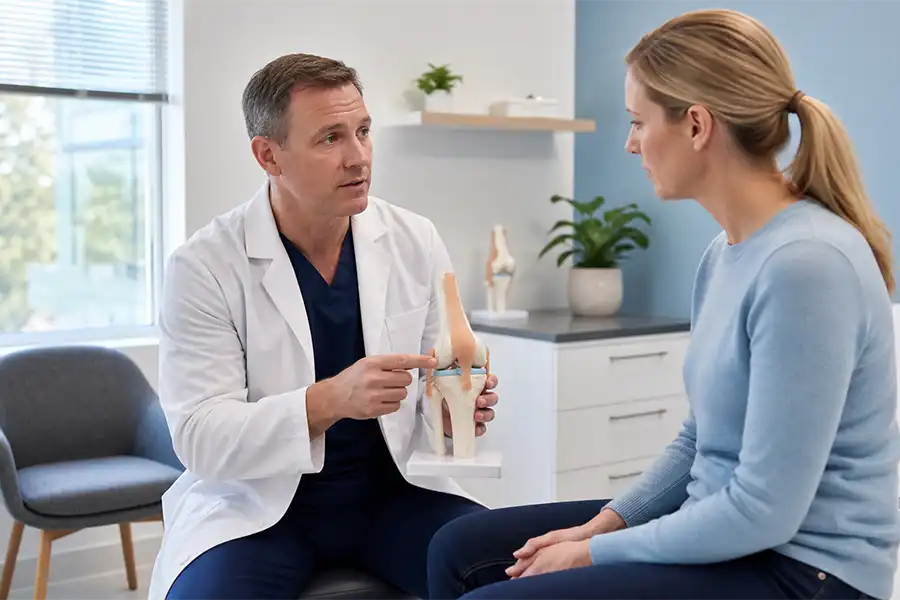
Review DOC’s instructions for preparing for surgery, caring for your incisions, weight-bearing, driving, and follow-up care.
The treatment recommended depends on the location and type of damage inside the knee.

A torn meniscus may be repaired, or the damaged portion may be trimmed, when the symptoms and characteristics of the tear support surgery.
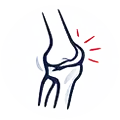
Loose fragments inside the knee may cause catching, locking, irritation, or difficulty moving the joint.

Certain cartilage injuries may be evaluated or treated through small arthroscopic incisions.
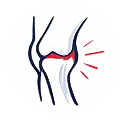
Inflamed or damaged tissue inside the joint may contribute to persistent pain and swelling.
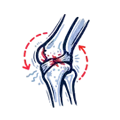
Arthroscopy may be part of treating selected ligament injuries and related damage inside the joint.
In selected cases, arthroscopy may be considered when symptoms continue and the evaluation identifies a problem that may benefit from surgery.
Your orthopedic surgeon may discuss arthroscopy when a specific problem inside the knee is causing ongoing pain, swelling, catching, locking, or loss of function.
The evaluation may include a physical examination, X-rays, MRI findings, your activity goals, and your response to nonsurgical treatments such as activity changes, medication, injections, or physical therapy.
Arthroscopy does not reverse widespread arthritis. When pain is primarily caused by advanced joint wear, another treatment approach may be more appropriate.
The purpose of the evaluation is to identify the source of your symptoms and recommend care that fits the condition of your knee. Having knee pain does not automatically mean that arthroscopy or another surgery will be recommended.
The procedure performed can affect weight-bearing, rehabilitation, and the time needed for healing.
A meniscus repair uses sutures or another fixation method to hold the torn tissue together while it heals. Because the repaired tissue needs time to heal, activity and weight-bearing restrictions are generally more protective.
When a tear cannot be repaired, the surgeon may trim the unstable, damaged portion while preserving as much healthy meniscus as possible. Recovery restrictions may differ from those required after a repair.
If surgery is scheduled, follow the directions provided by DOC. The recovery guide explains DOC’s current instructions for bandages, showering, driving, weight-bearing, and follow-up care.
No. Knee arthroscopy uses a camera and small instruments to evaluate or treat selected problems inside the joint. Knee replacement removes damaged joint surfaces and replaces them with artificial components.
No. Treatment depends on the type and location of the tear, your symptoms, the condition of your knee, and your activity goals. Some meniscus tears can be managed with nonsurgical care.
The decision depends on the tear pattern, location, tissue quality, blood supply, and other findings inside the knee. Your surgeon will explain the planned procedure and whether the final decision could depend on what is found during surgery.
Recovery varies based on the procedure performed. A meniscus repair generally requires more protection and a longer healing period than trimming damaged tissue. Your surgeon will provide instructions based on your procedure and individual needs.
An orthopedic evaluation can help identify the likely source of your symptoms, review any imaging, and determine whether nonsurgical treatment or arthroscopy may be appropriate.
Knee Resource Library
Browse symptoms, treatment decisions, procedures, and recovery information.

If knee pain is limiting your walking, exercise, work, or daily activities, an orthopedic evaluation can help you understand the cause and your treatment options. Scheduling a consultation does not mean surgery will be recommended.
