Knee pain can have many causes, and the right treatment depends on understanding what's causing your symptoms. Whether your pain is related to arthritis, a meniscus tear, tendon injury, or another condition, the goal is always the same: reduce pain, improve function, and help you return to the activities you enjoy.
We begin with the least invasive treatments whenever appropriate and recommend surgery only when it offers the best opportunity for long-term relief.
Every knee problem is different, which means treatment should never be one-size-fits-all.
Some patients improve with physical therapy and activity modification. Others benefit from medications or injections. When conservative treatments are no longer effective, minimally invasive procedures or knee replacement surgery may provide lasting relief.
An evaluation helps determine the underlying cause of your knee pain and the treatment options most appropriate for your lifestyle and goals.


Treatment recommendations are based on more than an X-ray alone.
Your orthopedic specialist considers several factors, including the cause of your knee pain, the severity of joint damage, your activity level, overall health, and how your symptoms affect daily life.
The goal is to relieve pain while preserving as much natural knee function as possible.

Targeted exercises improve strength, flexibility, balance, and joint stability while reducing stress on the knee.

Small changes to daily activities or exercise routines can reduce irritation and help manage symptoms without giving up an active lifestyle.

Anti-inflammatory medications and other pain-relief options may help reduce discomfort and swelling.

Cortisone and other injections may provide temporary pain relief by reducing inflammation within the joint.
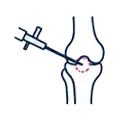
Some knee problems, including certain meniscus tears or mechanical symptoms, may be treated using minimally invasive arthroscopic procedures.

When arthritis or joint damage becomes advanced and conservative treatment is no longer effective, knee replacement may provide long-term pain relief and improved mobility.
Surgery may be considered when:
The decision to proceed with surgery depends on your symptoms, goals, and overall quality of life.
Treatment is tailored to the underlying cause of your knee pain and your individual goals.
Common treatment options include:
Most patients begin with conservative treatment before considering surgical options.
If knee pain is limiting your daily activities or affecting your quality of life, an evaluation can help identify the cause and determine the treatment options that best fit your needs.
You don't need to know exactly what's causing your symptoms before scheduling an appointment. That's what the evaluation is for.
The best treatment depends on the underlying cause of your symptoms. Some patients improve with physical therapy and medications, while others benefit from injections or surgery.
Yes. Many knee conditions respond well to conservative treatment, including physical therapy, activity modification, medications, and injections.
Surgery is generally considered when pain significantly affects daily life and non-surgical treatments no longer provide adequate relief.
Not always. Many knee conditions can be diagnosed with a physical examination and X-rays. An MRI may be recommended if additional information is needed.
Knee Resource Library
Browse symptoms, treatment decisions, procedures, and recovery information.

If knee pain is limiting your daily life, the next step is a proper evaluation. We’ll help you understand what’s causing the issue and what your options are.
Most patients start with a simple consultation to determine the best path forward.
