Knee pain when going down stairs is a common problem, especially as the knee joint is placed under more pressure during descent.
If you feel pain, catching, or instability when stepping down, it often points to issues with the kneecap, cartilage, or joint alignment.
This page will help you understand the most likely causes, what to watch for, and when it may be time to get your knee evaluated. You can also explore our knee pain overview for a broader look at symptoms and treatment options.
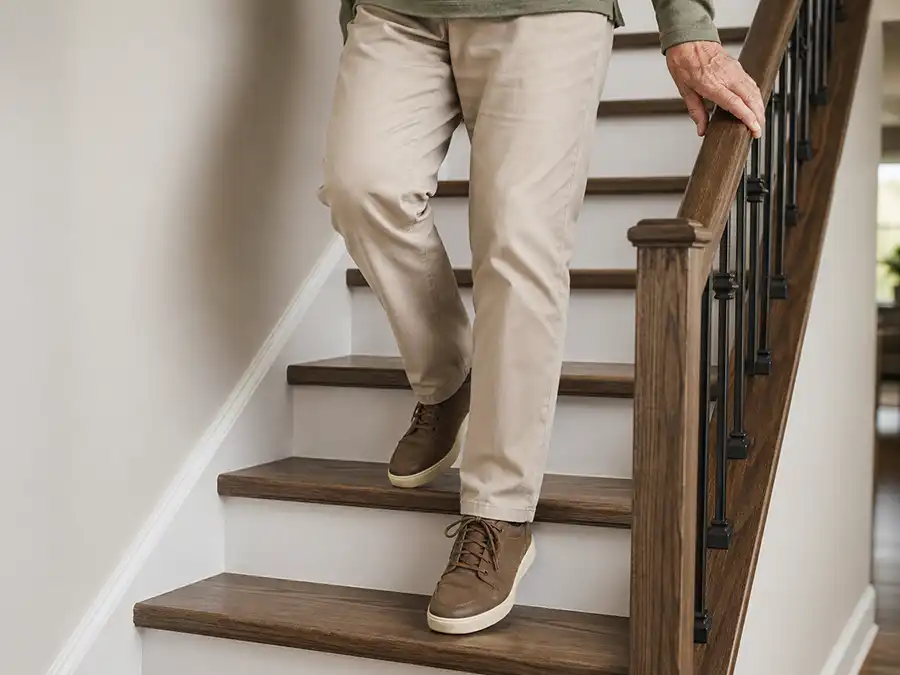

Walking downstairs puts more stress on the knee than flat ground or even going upstairs.
As you step down, your knee must control your body weight while bending, increasing pressure behind the kneecap and across the joint.
This is often the first place knee problems show up.
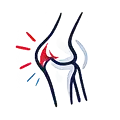
Pain around or behind the kneecap, especially when bending the knee under load. Often worse with stairs, squatting, or prolonged sitting.
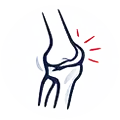
Gradual breakdown of cartilage can cause pain, stiffness, and grinding sensations, especially during weight-bearing movement like descending stairs.

A torn meniscus can cause pain with twisting or bending, along with catching, locking, or a feeling that the knee isn’t moving smoothly.
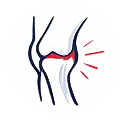
Pain just below the kneecap, often related to overuse or strain, and noticeable when controlling movement downhill or downstairs.

Weak quadriceps or poor hip stability can place extra stress on the knee joint, leading to pain during controlled movements like stepping down.


If your knee pain is persistent, worsening, or limiting your ability to go up and down stairs safely, it may be time for an evaluation.
Identifying the cause early can help prevent further damage and make treatment more effective.
If you feel unstable going downstairs or are avoiding stairs altogether, it’s time to get your knee evaluated.
Explore common questions and situations related to knee pain:
Going down stairs places more stress on the knee because it has to control your body weight while bending. This increases pressure behind the kneecap and across the joint, which can trigger pain if something isn’t working properly.
It can be, but not always. Early cartilage wear or arthritis may cause pain during weight-bearing movements like descending stairs. However, other conditions such as kneecap tracking issues or a meniscus problem can cause similar symptoms.
If the pain is persistent, getting worse, or affecting how you move day to day, it’s worth having it evaluated. You should also seek care if you notice swelling, catching, or a feeling that the knee is unstable.
Knee Resource Library
Browse symptoms, treatment decisions, procedures, and recovery information.

Most patients start with a simple consultation to determine the best path forward.
If knee pain is limiting your daily life, the next step is a proper evaluation. We’ll help you understand what’s causing the issue and what your options are.
