Shoulder arthroscopy uses a small camera and surgical instruments to examine and treat selected problems in and around the shoulder through small incisions. Often called a shoulder scope, it is an approach your surgeon may use for several different procedures.
At Decatur Orthopedic Center, an evaluation helps you understand the cause of your shoulder symptoms and compare your treatment options. Ask what procedure is being recommended, what it is intended to address, and what recovery would involve.
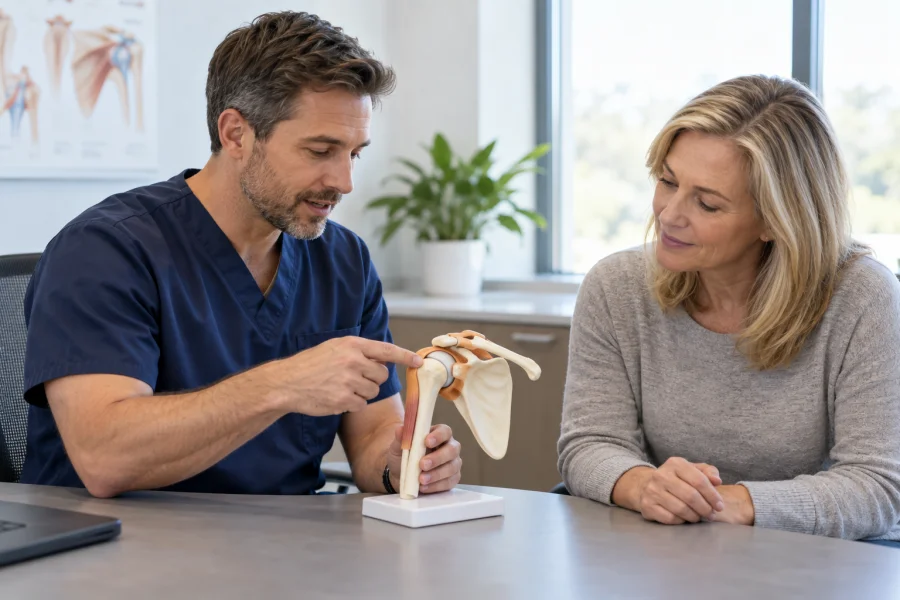
Use your DOC instructions to prepare for surgery and understand the next steps in your care. Contact the office if you are unsure which directions apply to your procedure.
The recommendation depends on the diagnosis and the treatment needed. These are examples of problems that may be treated arthroscopically.
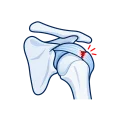
Selected tears in the tendons that help move your arm may be repaired. Explore rotator cuff treatment options.
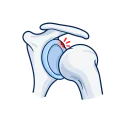
The labrum is the rim of tissue around the shoulder socket. Treatment may involve repairing or removing damaged tissue.
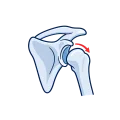
Repairing injured tissues may help selected patients whose shoulder repeatedly slips or dislocates.
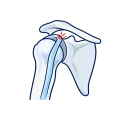
The biceps tendon attaches near the shoulder. Certain injuries may be addressed as part of the surgical plan.
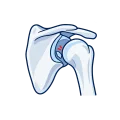
Loose fragments or selected damaged tissues may be removed when the evaluation supports that treatment.
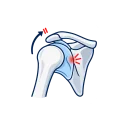
Some problems involving tight or inflamed tissues may be considered for arthroscopic treatment after evaluation.
Your surgeon will connect the proposed procedure to your diagnosis and goals. Bring questions about alternatives, the expected benefit, and the activities you hope to regain.
For many shoulder problems, treatment begins with activity changes, physical therapy, medication, or injections when appropriate. Some injuries need earlier surgical evaluation. Your recommendation should reflect your individual condition.
Shoulder symptoms can have different causes. An evaluation may lead to continued nonsurgical care, a different operation, or further testing. Arthroscopy and joint replacement address different problems.
Review shoulder treatment options, including when total or reverse shoulder replacement may be discussed.
Before surgery, discuss how your plan will affect sling use, movement, therapy, and time away from work or other activities.
A repaired tendon or labrum needs protection while it heals. Your plan may limit certain movements and introduce exercises in stages.
A procedure that removes tissue without a repair may have different restrictions. Ask your team which activities are allowed and when your plan will change.
Your recovery plan should explain what to do at home, how to protect your shoulder, and when to contact the office. Follow the directions provided for your surgery and discuss any questions with your care team.
No. Arthroscopy uses small instruments to treat selected problems. Shoulder replacement replaces damaged joint surfaces with artificial components.
Arthroscopy describes the surgical approach. Rotator cuff repair is one procedure that may be performed using that approach.
It is often performed as outpatient surgery. Your team will explain the setting, anesthesia, and discharge plan for your procedure.
Recovery depends on the procedure and your individual needs. Ask your surgeon about healing, restrictions, and the milestones that matter for your daily activities.
Risks include infection, bleeding, blood clots, nerve injury, stiffness, persistent symptoms, and a repair that does not heal. Your surgeon will discuss the risks relevant to your procedure and health.
An appointment is an opportunity to understand your diagnosis, discuss previous treatment, and compare reasonable options. You can request an evaluation without choosing a procedure first.
Shoulder Resource Library
Browse symptoms, treatment options, surgery information, and recovery guidance.
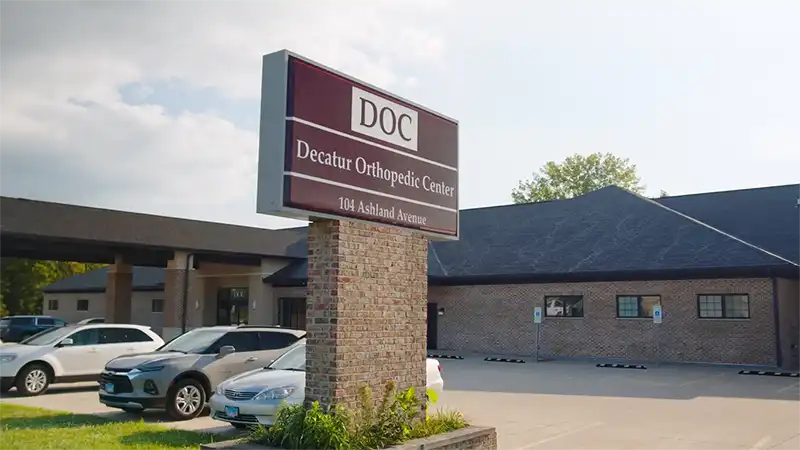
If shoulder pain is disrupting sleep, reaching, work, or the activities you enjoy, Decatur Orthopedic Center can help you understand your options. Our team in Mt. Zion serves patients from Decatur and surrounding Central Illinois communities, with orthopedic care and on-site physical therapy.
You do not need to decide whether you want surgery before requesting an appointment. Start with a conversation about your symptoms and goals.
