A rotator cuff tear can cause shoulder pain, weakness, and difficulty lifting or reaching. Decatur Orthopedic Center can identify the cause of your symptoms and explain the treatment options that fit your injury, health, and goals.
Shoulder pain may build slowly or begin after an injury. You may notice pain while reaching overhead, fastening clothing, lifting an object, or lying on the affected side.
These symptoms do not always mean that you have a rotator cuff tear. Bursitis, arthritis, frozen shoulder, a pinched nerve, and other problems can cause similar pain.
An orthopedic evaluation can help identify the source and clarify what to do next.
This page explains how rotator cuff tears develop, common symptoms, how they are evaluated, and the nonsurgical or surgical treatments that may be considered.

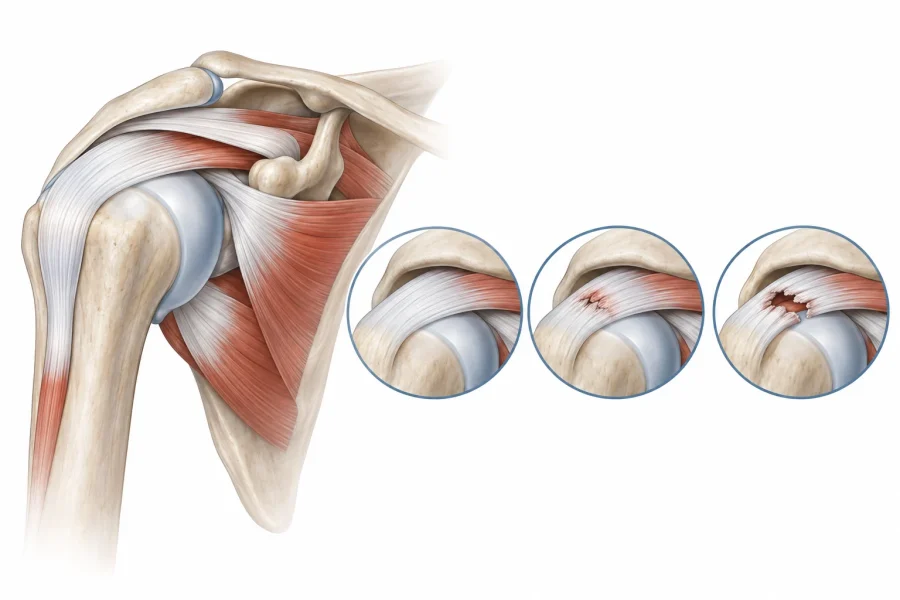
The rotator cuff is a group of four muscles and their tendons. These tissues help keep the upper arm bone centered in the shoulder joint while you lift and rotate your arm.
A rotator cuff tear occurs when one or more tendons are damaged. A partial tear affects part of a tendon while some fibers remain intact. A full-thickness tear extends through the tendon and may separate it from the upper arm bone.
Tears can develop gradually as the tendon changes with age and repeated use, or they can happen suddenly during a fall, forceful lift, shoulder dislocation, or other injury.
The tear type does not decide treatment by itself. Your symptoms, strength, function, tear pattern, activity needs, health, and goals all matter.

Pain may increase when you lift or lower the arm, reach overhead, or reach behind your back.
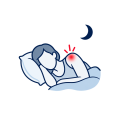
Pain may interrupt sleep or make it uncomfortable to lie on the affected shoulder.

Weakness can make lifting, carrying, reaching, or rotating the arm more difficult.
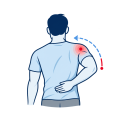
Pain or weakness may limit overhead movement, reaching, dressing, and other daily tasks.
Some people notice clicking, popping, or catching when moving the shoulder.
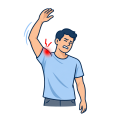
A sudden tear may cause immediate pain, weakness, or difficulty raising the arm.

Similar symptoms can have different causes. Your history, examination, and imaging when needed help determine what is happening.

Surgery is not necessary for every rotator cuff tear. Many patients begin with nonsurgical care.
Rotator cuff repair may be discussed when:
Timing can matter for selected traumatic tears. Prompt evaluation is appropriate when you develop major weakness or cannot raise the arm after an injury.
Treatment depends on how the tear developed, your symptoms and strength, the tear pattern, your health, and your goals.
Nonsurgical and surgical options may include:
Some people improve in pain and function with nonsurgical care even though the tendon tear remains visible on imaging.
Some people improve with nonsurgical care even though the tendon tear itself may remain. Treatment depends on the cause and size of the tear, symptoms, strength, activity needs, overall health, and response to care.
No. Many rotator cuff tears are first treated without surgery. Surgery may be discussed for selected traumatic tears, meaningful weakness or loss of function, larger tears, or symptoms that continue despite appropriate nonsurgical care.
Diagnosis begins with a history and physical examination. X-rays may help identify arthritis or other bone problems. Ultrasound or MRI may be used when the clinician needs to evaluate the rotator cuff tendons and define a suspected tear.
Recovery varies according to the tear, repair, tissue quality, rehabilitation plan, and individual health. The tendon needs time to heal, and return to heavier work or sports may take several months.
Shoulder Resource Library
Browse symptoms, treatment options, surgery information, and recovery guidance.

Shoulder pain and weakness can have several causes.
A focused evaluation can help identify the problem and explain which treatments fit your needs.
